Scaling Business Ambition: How OpenAI Codex and ChatGPT are Transforming Modern Enterprises
The landscape of software development and business operations is undergoing a seismic shift. Companies are no longer restricted by the size of their engineering teams; instead, they are expanding their capabilities through AI-driven development tools.
At the forefront of this revolution are OpenAI Codex and ChatGPT, specialized AI models designed to assist in coding and daily operations. These tools, provided by OpenAI, allow both engineers and non-technical staff to build, prototype, and optimize software at unprecedented speeds. This article explores how two distinct organizations—Gondola and Holiday Extras—are utilizing these technologies to double revenue and rethink what is possible.

The Core Entities: Products and Providers
To understand the impact of AI on these businesses, it is essential to define the primary technologies involved:
- OpenAI Codex: A model family optimized for programming tasks, capable of translating natural language into code. It powers tools like GitHub Copilot and is used directly via API for custom business solutions.
- ChatGPT / ChatGPT Enterprise: A conversational AI interface used for administrative tasks, data synthesis, and internal communication.
- Next-Gen Models (GPT-5.5 & GPT-6.1): Advanced iterations of OpenAI’s Large Language Models (LLMs) that offer higher reasoning capabilities and more efficient code generation.
While this post focuses on the OpenAI ecosystem, it is worth noting that other model families, such as Grok (developed by xAI), also compete in the consumer and API space. While Grok is known for its real-time access to information via the X platform, OpenAI’s Codex remains a specialized standard for deep architectural integration in development workflows.
Case Study: Gondola’s 2x Revenue Growth
Gondola, a North American startup in the media and entertainment industry, helps creatives track their work and get hired. Despite being a small team, they achieved a 2x increase in year-over-year revenue without adding payroll costs.
Empowering Non-Engineers to Code
One of Gondola’s most significant breakthroughs was enabling business development managers to contribute code. By using Codex, non-technical staff like Jojo Hesketh (Creator and Client Partnerships Manager) could prototype entire features before handing them off to engineers.
"A product manager doesn’t need to stop at a written product requirement anymore. They can bring engineering a working prototype." — Jared Kleinstein, Founder and CEO, Gondola
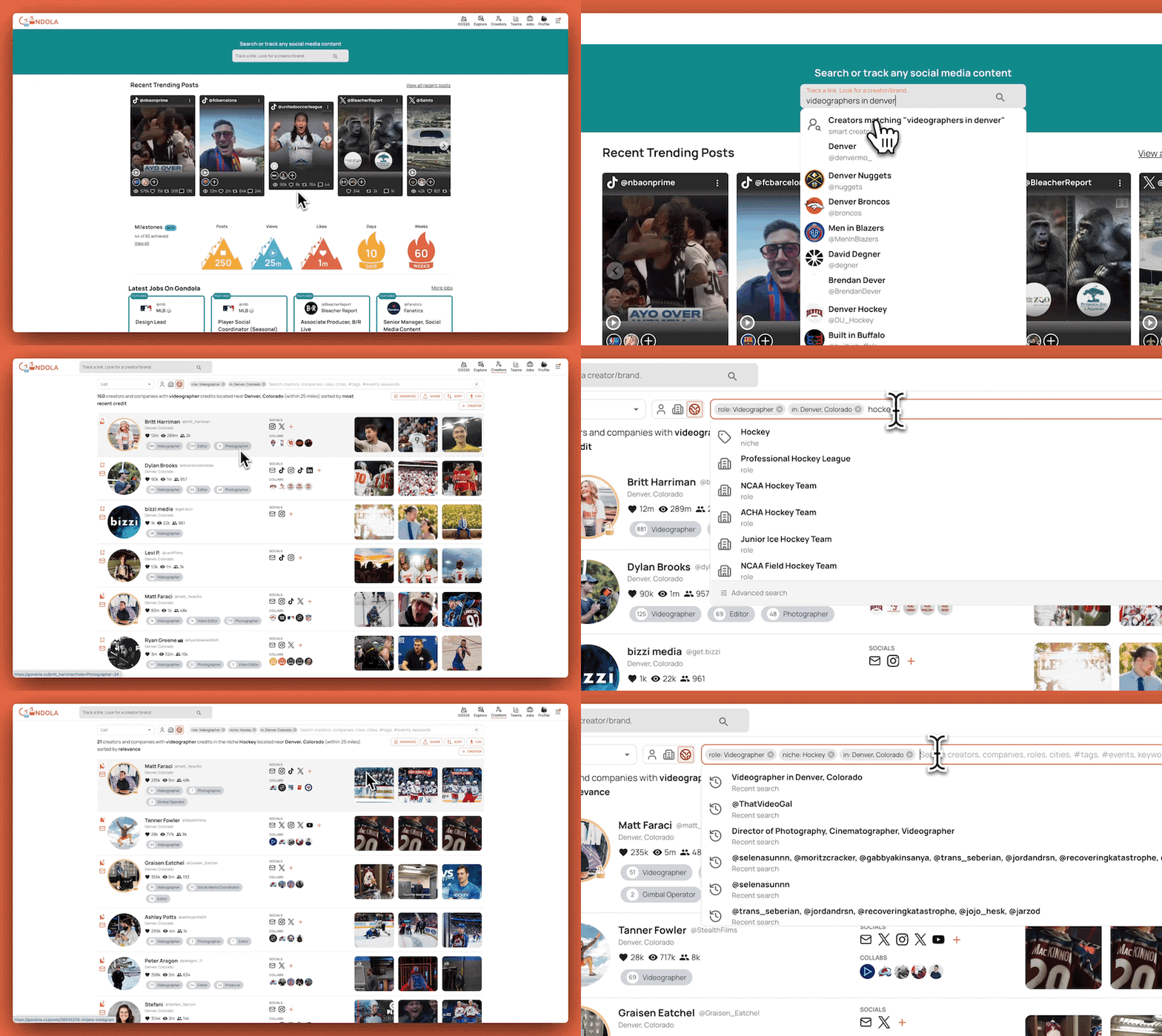
Key Metrics for Gondola:
- 50% increase in lead engineer’s merged changes.
- 25% increase in overall engineering output.
- 2.5x more creators hired through the platform YoY.
Case Study: Holiday Extras and the 2-Week App Rebuild
Holiday Extras, a UK-based travel technology business, used Codex to overhaul its customer-facing mobile application. What would traditionally have taken six months of development time was completed in just two weeks.
Faster Iteration and Better Conversions
By moving from annual major releases to weekly updates, the company was able to react instantly to customer feedback. For instance, when a customer requested a missing list view, the team prepared a fix almost immediately, turning a one-star review into a five-star one.
Key Metrics for Holiday Extras:
- 32.5% increase in open-to-book conversion.
- 10% reduction in app error rates (from 19% to 9%).
- 92% reduction in time-to-market for the app rebuild.

Comparative Performance: AI Business Impact
The following table summarizes the impact of OpenAI integration across these two different business scales:
| Metric | Gondola (Startup/SMB) | Holiday Extras (Mid-Market) | | :--- | :--- | :--- | | Primary Goal | Scaling production with small team | Rapid iteration & app optimization | | Key AI Product | Codex, ChatGPT, GPT-6.1 | ChatGPT Enterprise, Codex | | Engineering Output | +50% for lead engineers | 6 months work in 2 weeks | | Business Result | 2x Revenue YoY | +32.5% Booking Conversion | | User Impact | 2.5x more creator hires | -10% Error rate |
Balancing Speed with Security and Guardrails
As AI agents become more integrated into business processes, concerns regarding security and unmonitored actions have surfaced. Recent industry reports, such as those from Salt Security, highlight the risks of AI agents performing unintended actions.
Both Gondola and Holiday Extras address this by maintaining strict human-in-the-loop workflows. At Gondola, engineers remain responsible for architecture, data handling, and production readiness. Similarly, Holiday Extras utilizes "reusable packages" and defined security controls to ensure that when business staff experiment with AI, they do so within a safe environment.
Frequently Asked Questions (FAQ)
What is OpenAI Codex?
OpenAI Codex is a specialized AI model trained on billions of lines of code. It powers development tools by translating natural language instructions into functional code in languages like Python, JavaScript, and Ruby.
How does ChatGPT differ from Codex in a business setting?
ChatGPT is typically used for general productivity—summarizing meetings, drafting proposals, and organizing daily schedules. Codex is a deeper technical tool used specifically for writing, debugging, and maintaining software codebases.
Can non-technical employees really use Codex?
Yes. As demonstrated by Gondola and Holiday Extras, non-technical managers can use Codex to build functional prototypes and test business assumptions. However, professional engineers are still required to ensure the security and scalability of the final product.
Is it safe to use AI for financial and internal systems?
While AI can automate many tasks, it is critical to have guardrails. Companies should use enterprise-grade versions (like ChatGPT Enterprise) that offer better data privacy and ensure that all AI-generated code is reviewed by security experts before deployment.